
Wet Snow Moon 雪月之望
and the huge eye that looks at it

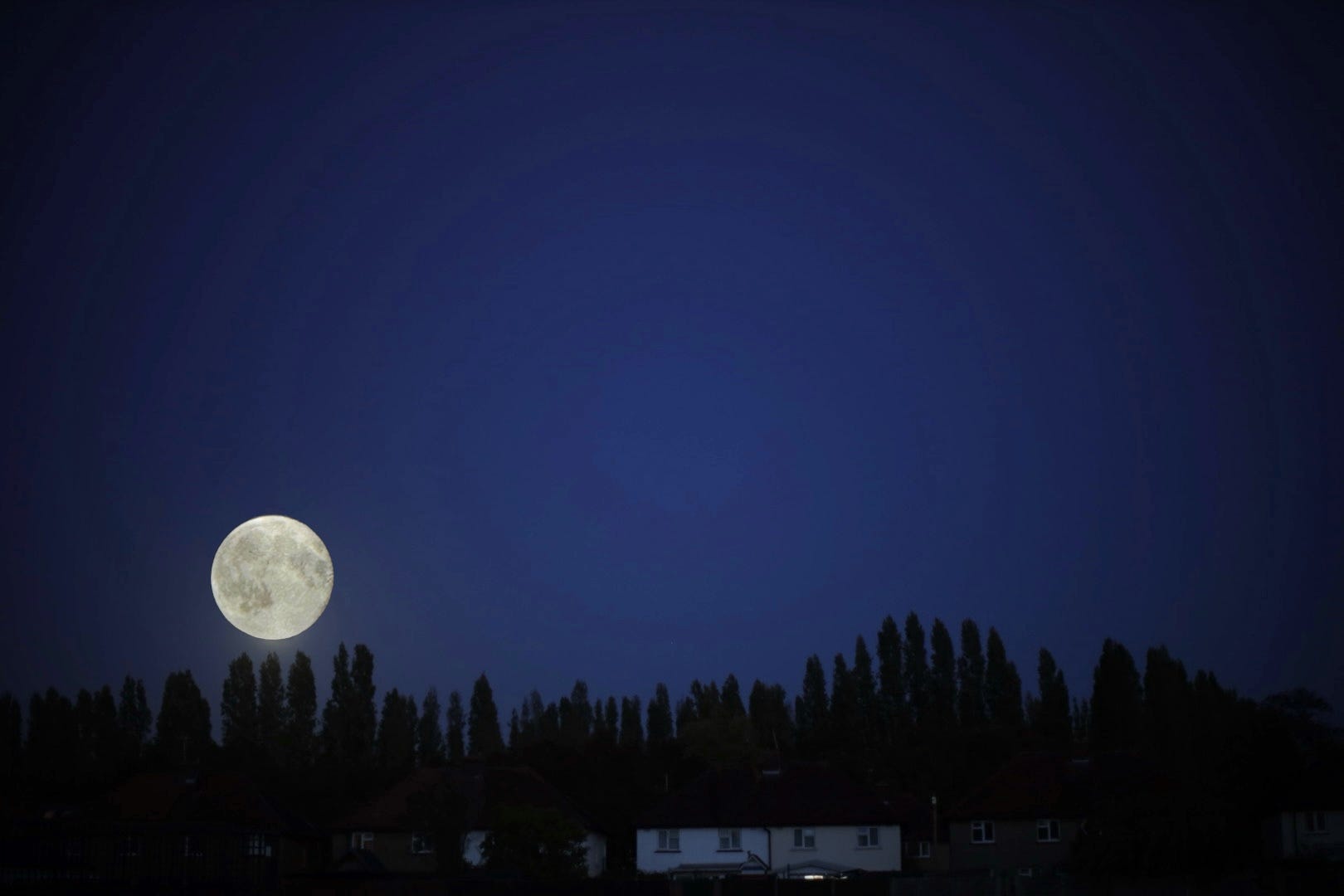
First day of a new month. Last full moon for the year of the snake, for another round of 12 years. It’s wet so not much chance of seeing a snow moon rising as the sun rolls down.
Still it has been for me a good year for precisely seeing the full moon rising from the east as the sun goes down at the opposite direction. In a chinese calendar the day of the full moon is called the day of the 望1 (wa:ŋ, to see from afar). I don’t know how the inspiration came to the calendar makers who were tasked naming days of full moons but what a great job they did: the sun and the moon are looking at each other, from afar, at the moment of 望.
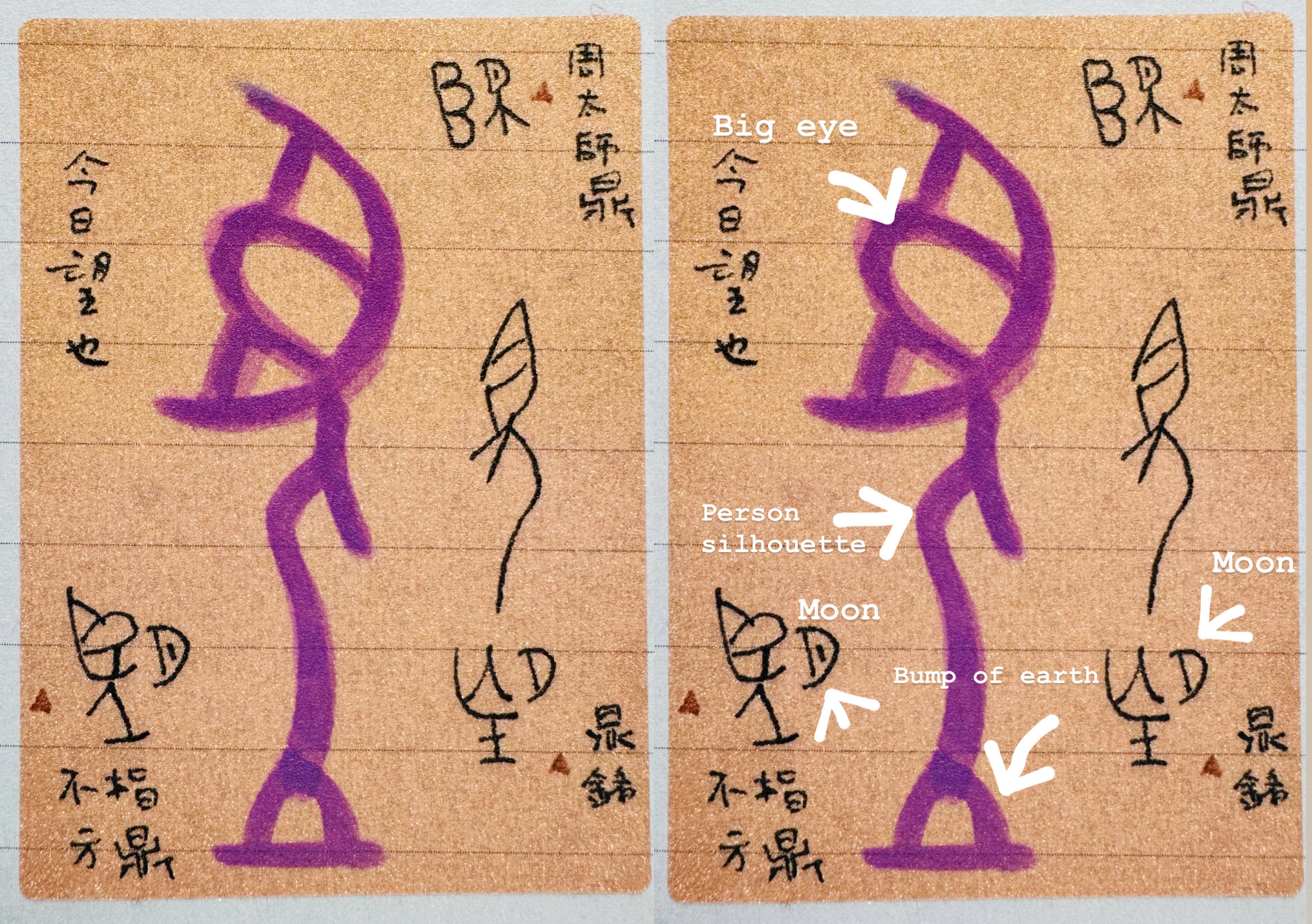
In oracle bones script2, the character for 望 looks like a huge eye, climbed on top of a small hill, trying to see for a long way. The eye is so big the person that carried it seems insignificant, I mean it just wants to be seeing a lot.
In bronze script3 that followed, the shape and look of the character stay largely the same but sometimes a moon character is added into the picture. A full moon demands being gaped at, best on top of a hill.
The character in purple and the one on its right are in the Oracle Bone Script. See if you can spot all the moon parts in the bronze script characters in the picture?
Did you manage to see the snow moon4 where you are?
What happens the day after the full moon?

望:a. to look at; to watch; to see; to observe; b. to hope; c. locality; d. day of the full moon
Oracle bones script, 甲骨文,is the earliest known set of Chinese characters and the base of current Chinese characters, used mainly during Shang dynasty (1600 BC – 1046 BC). One of the characteristics of the script is its pictorial quality, many of the characters are still drawn as pictures.
Bronze script 金文 was used mainly during Zhou dynasty (1046 BC - 256 BC) on bronze vessels and consists of around 3000 characters. It’s somewhat simplified from the oracle bones script and often highly decorative.
A February full moon is sometimes called a snow moon as the month is the snowiest in many regions of North America where the term originates.